
fun facts
Join Our Team
Island of peace
-
Say hi to viðey!
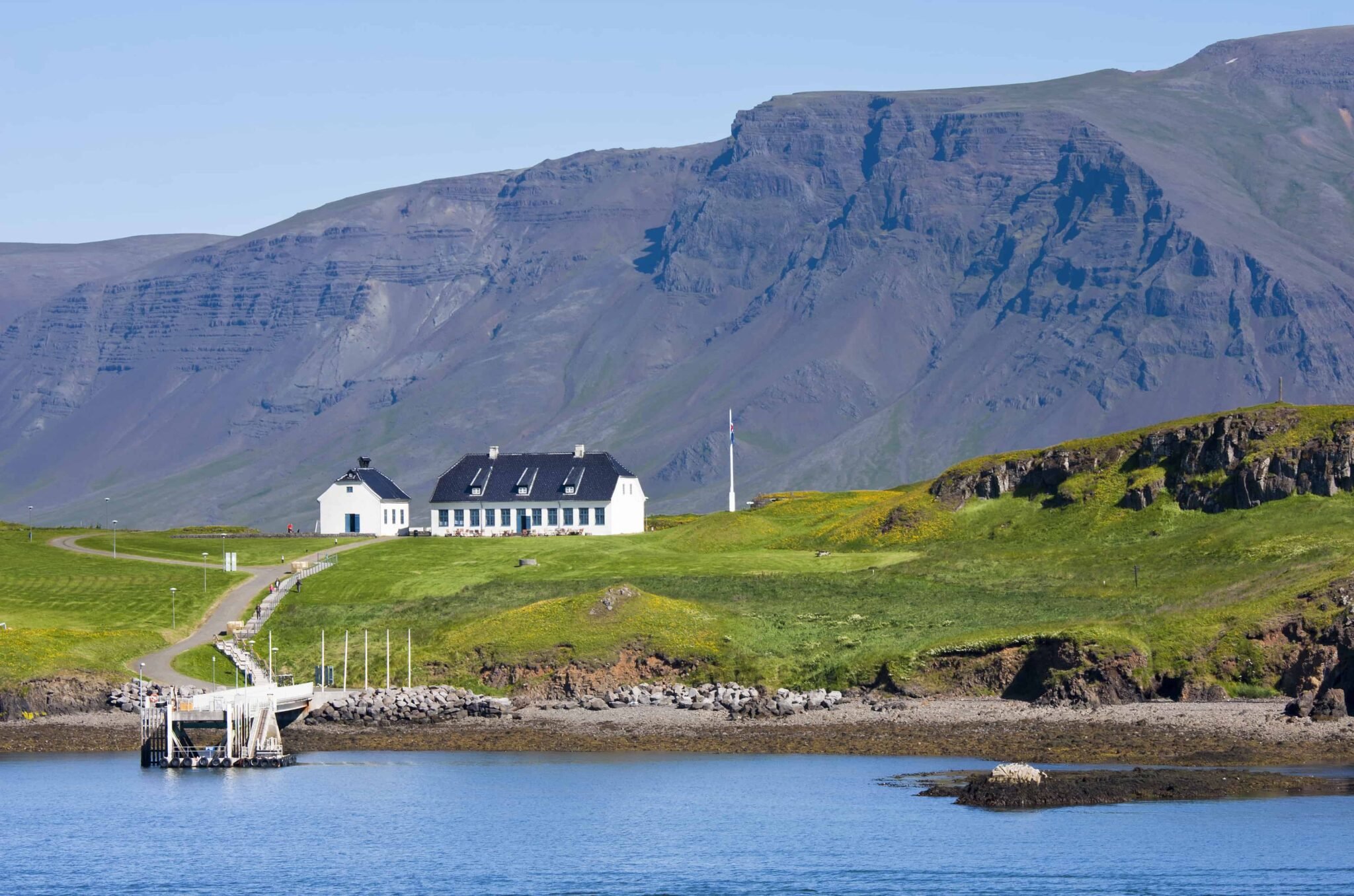
Viðey is a peaceful island known for its unique blend of nature, history, and culture; only a short ferry ride from the city yet so wonderfully remote and tranquil. Viðey has been inhabited since the settlement era (874) and was once home to one of Iceland’s most influential monasteries. Visitors can explore walking paths, historic buildings, and open landscapes shaped by centuries of human activity and harsh nature.The island is also famous for contemporary art installations, such as Richard Serra's Afangar as well as the Imagine Peace Tower created by Yoko Ono in memory of John Lennon.
All night long
-
It's the midnight sun!
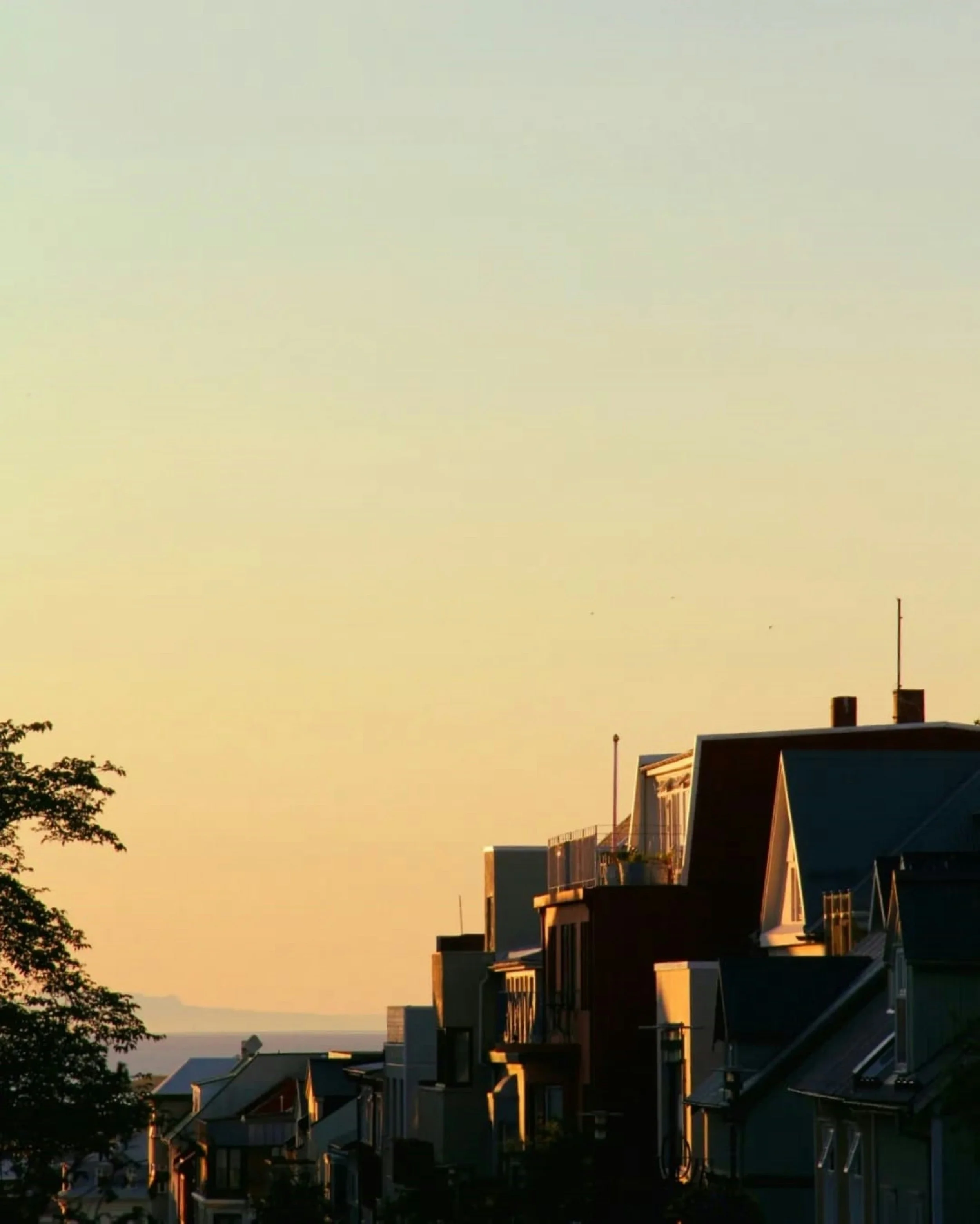
Today, you will experience the remarkable extended daylight that characterizes the Icelandic spring and early summer. (And for some of us what makes it possible to survive at 66°...) This morning the sun rose shortly after 3:30, sunset will occur close to 23:00 so this glorius day provides us with 20 hours of daylight! During the short nighttime period the sun remains just below the horizon, creating a soft twilight throughout the night.
The long, bright evenings strongly influence daily life in Iceland, encouraging outdoor activities, cultural events, and late-night social gatherings.
Wildlife up close
-
Wildlife up close
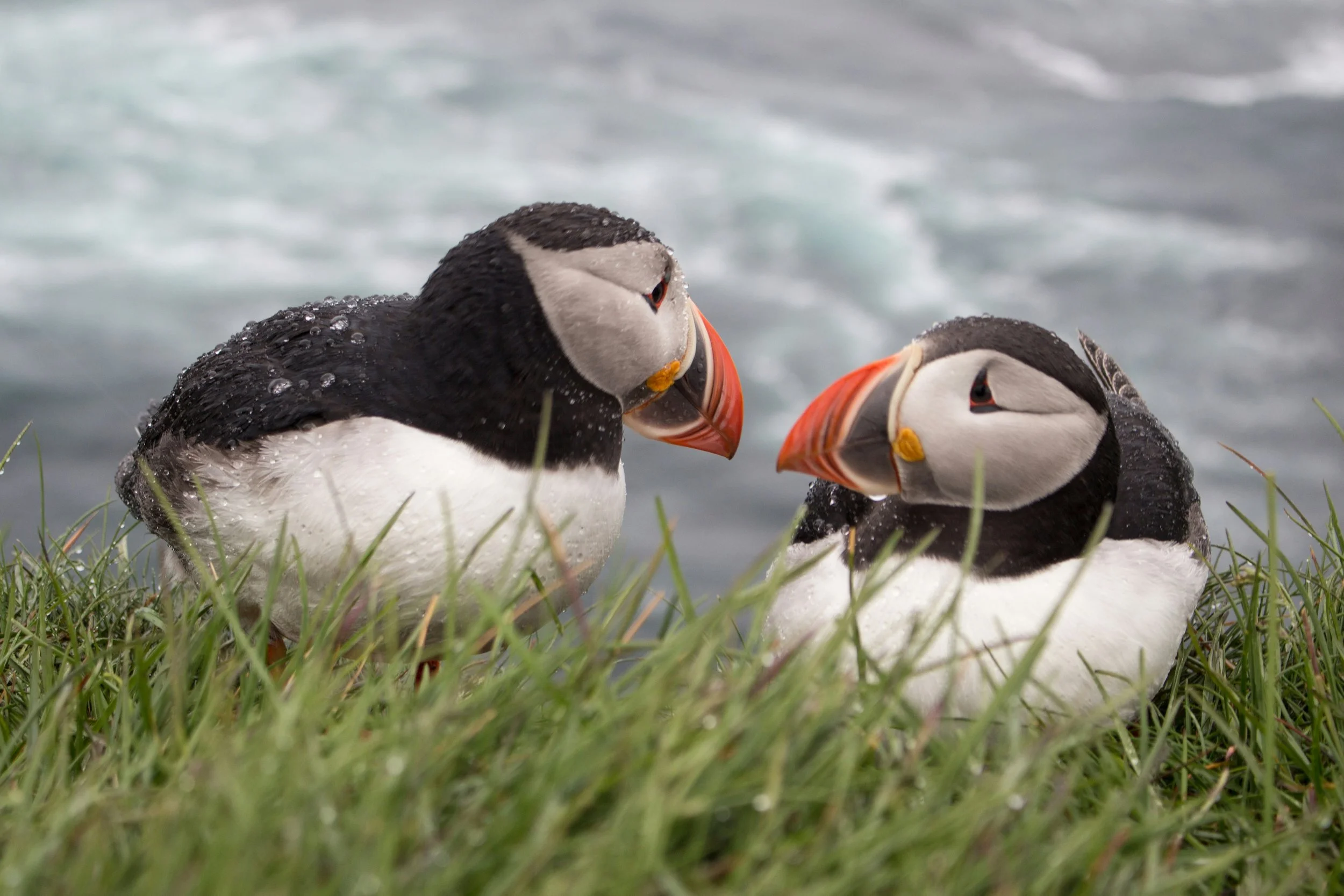
Viðeyjarsund is one of the most active bird habitats in the Reykjavík area. The combination of shallow waters, rocky shores, and sheltered coastal environments creates ideal feeding and nesting conditions for many seabirds and migratory species; Arctic terns, eider ducks, black guillemots, puffins, and numerous wading birds to name a few. The rich marine ecosystem provides abundant food, making the channel an important ecological area year-round. Careful conservation efforts help protect the fragile environment while still allowing visitors to experience Icelandic wildlife up close.
ESJAN ER FALLEG
-
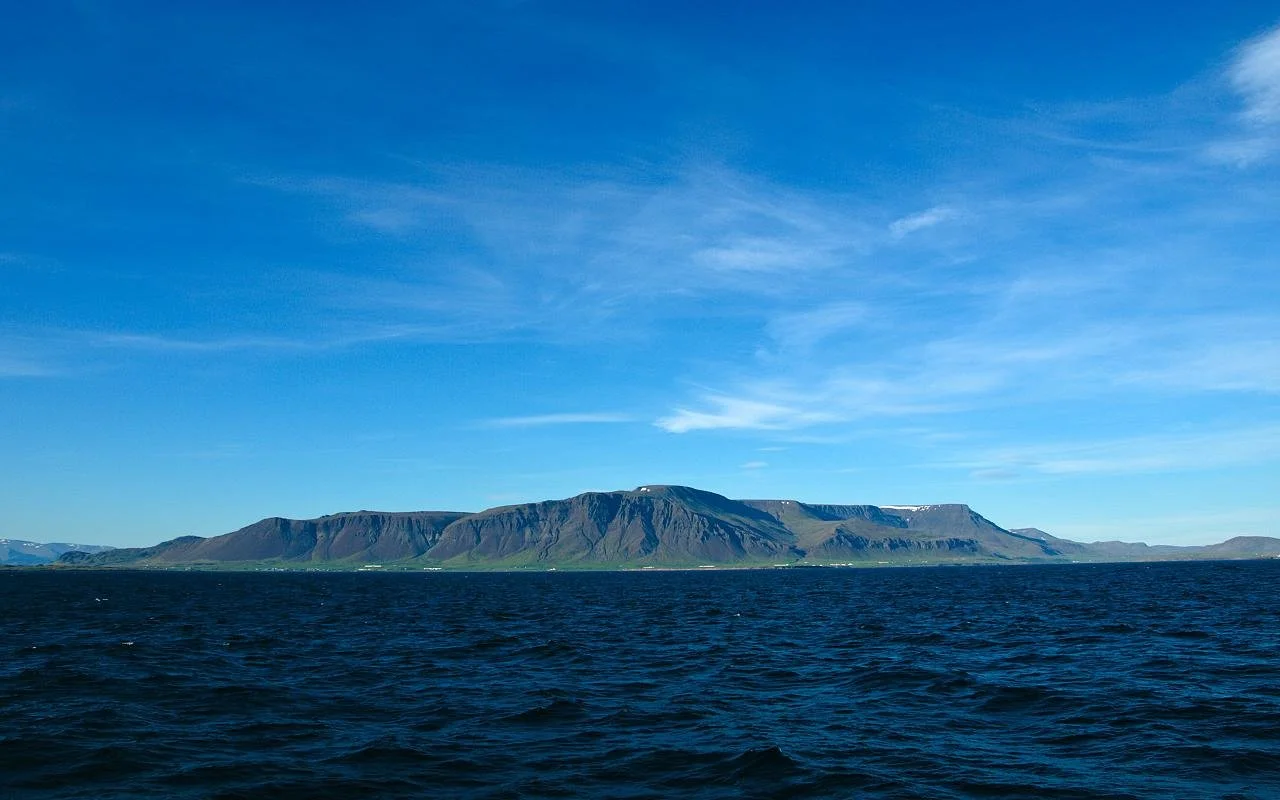
esjan is beautiful
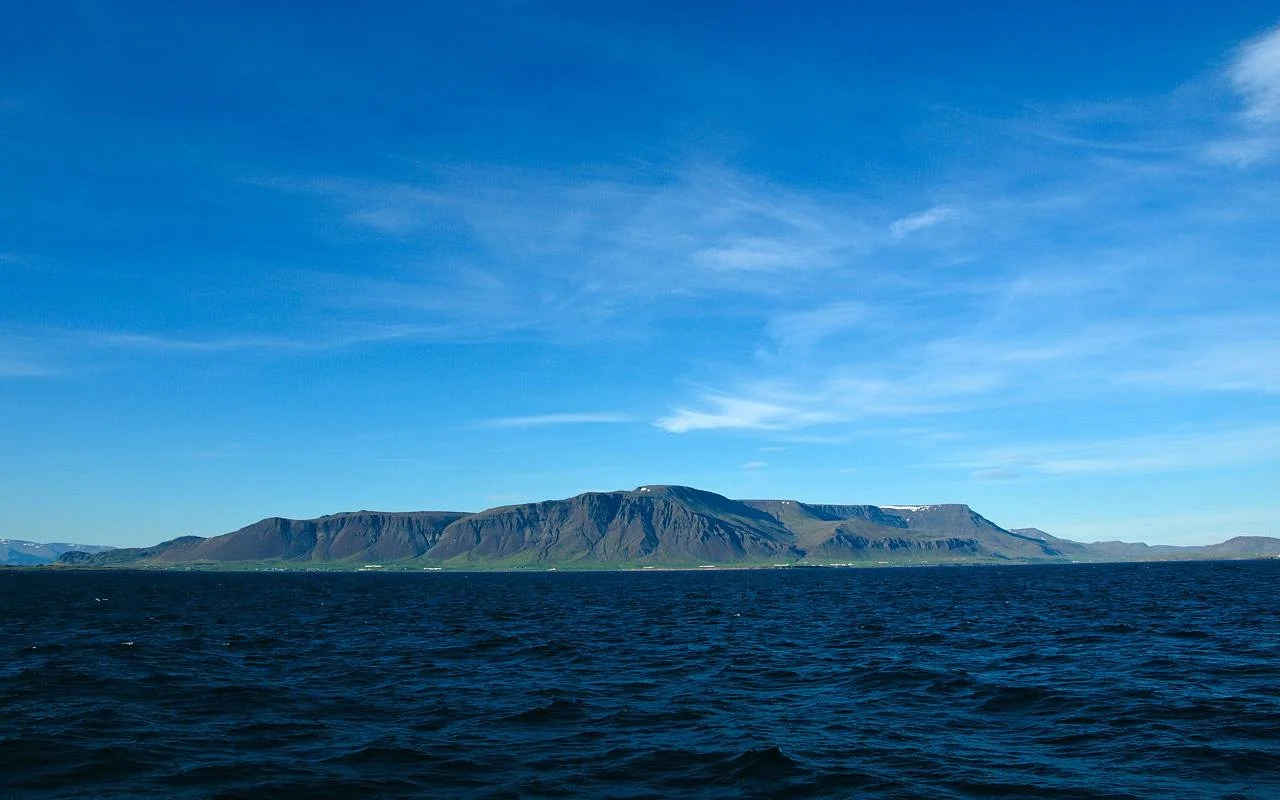
Mount Esja is an iconic part of the Reykjavík’s landscape; a popular destination for hikers, runners, and outdoor enthusiasts, offering trails suitable for both beginners and experienced climbers. Rising approximately 914 meters above sea level, Esjan stretches along the northern side of Faxaflói Bay and is visible from almost every part of the capital area. Formed by volcanic activity, it displays striking layers of basalt and sediment shaped by glaciers over thousands of years. For locals, the mountain serves not only as a natural landmark, but also as a an identity and constant reminder of Iceland’s dramatic and powerful landscape.
ports of faxaflói
-
PORTS OF FAXAFLÓI
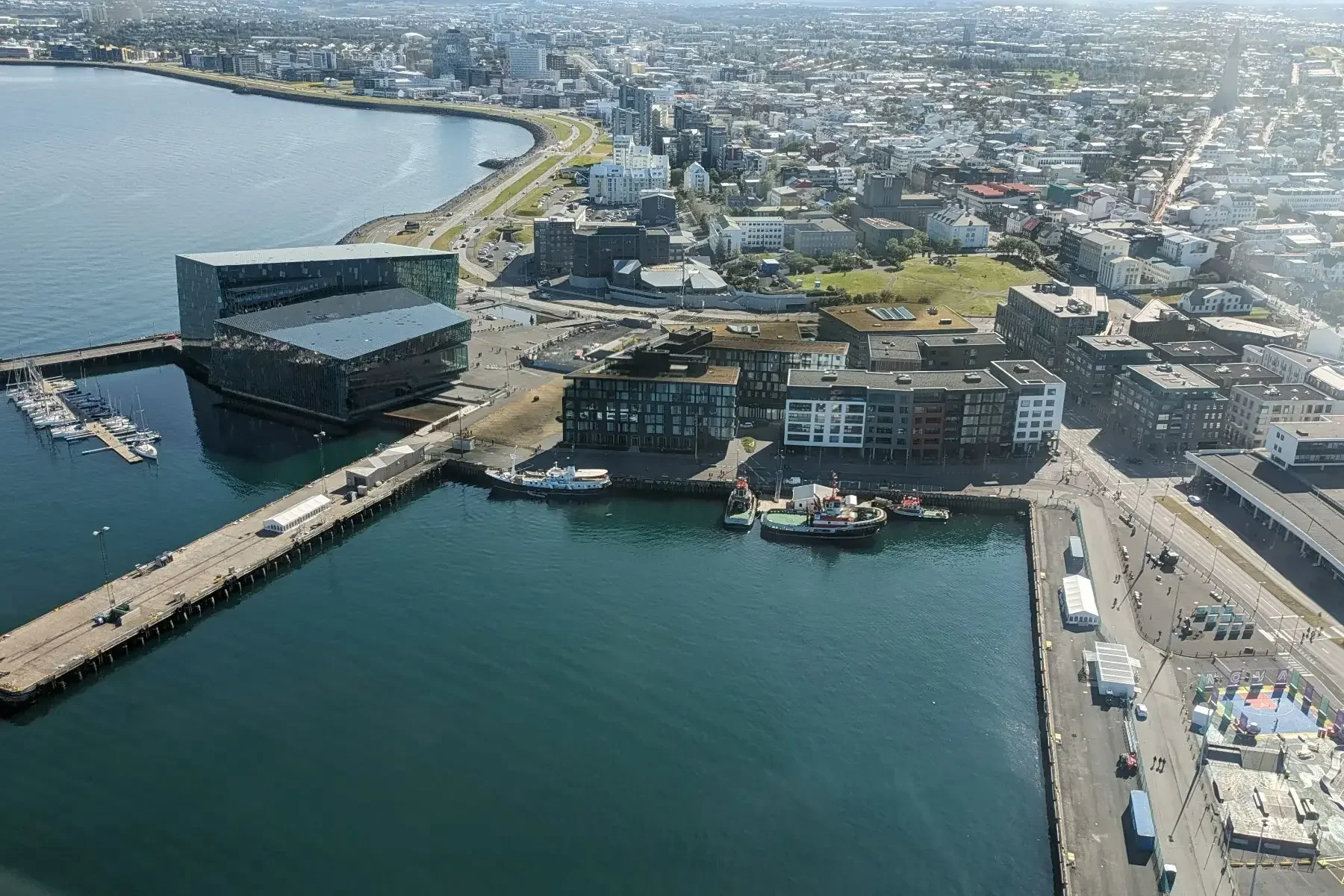
The history of Reykjavík Harbour reflects the transformation of Iceland from a small fishing society into a modern, maritime nation. For centuries, fishermen launched small boats directly from the shoreline, as Reykjavík lacked a protected harbour. Officially opened in 1917, the harbour became a major center for commerce, fishing, transportation, and international trade and over time, harbour operations expanded beyond Reykjavík itself, supporting larger vessels, cargo handling, and growing tourism activity.
This development eventually led to the creation of Faxaflóahafnir, Ports of Faxaflói, the joint harbour authority serving Reykjavík and other municipalities by the Faxaflói bay.
Today, Faxaflóahafnir manages multiple ports around the bay, combining commercial shipping, fishing, cruise tourism, and sustainable urban waterfront development while continuing Reykjavík’s strong historical connection to the sea.